The right packaging can make all the difference in presenting and protecting your farm's produce. In our forthcoming blog post, we will provide an in-depth guide on selecting the perfect mesh bag for various types of farm products. Whether you're packaging delicate fruits or hefty vegetables, the choice of bag material, weave, and size is paramount.
We'll discuss the specific benefits of Raschel, Leno, and Tubular mesh bags, and what makes each type suitable for different agricultural products. Our article will cover the factors affecting the freshness and shelf life of produce, such as breathability, visibility, and resistance to contaminants.
Key takeaways will include:
- Understanding the key differences between various mesh bag types.
- How to match your packaging with the unique needs of your farm produce.
- Tips for using packaging to enhance the market value of your crops.
- Insights into customer preferences for sustainable and visually appealing packaging.
This article is an essential read for any agricultural producer looking to elevate their packaging strategy and ensure their produce stands out in the marketplace.
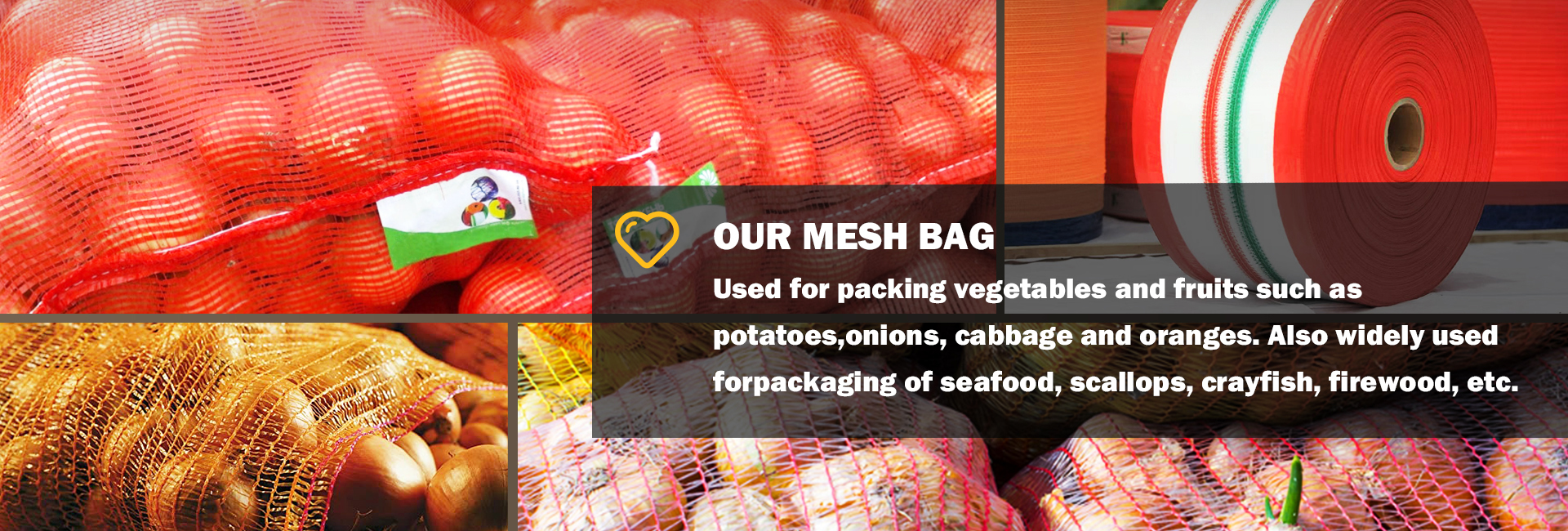
In the competitive world of agriculture, the packaging of your produce plays a crucial role in market perception and product preservation. Selecting the appropriate mesh bag for your fruits and vegetables can significantly impact your product's look, feel, and freshness upon arrival to the consumer. This guide aims to aid you in making an informed decision that will protect your crops and potentially enhance their market value.
Understanding the Types of Mesh Bags
Firstly, we tackle the varieties of mesh bags most commonly utilized in agriculture: Raschel, Leno, and Tubular. Each type has its own set of advantages.
- Raschel Mesh Bags: Known for their stretchability and strength, these are excellent for a wide range of produce, including roots and tubers like potatoes and onions.
- Leno Mesh Bags: These are distinguishable by their open-weave pattern, allowing for superior breathability and visibility, making them suitable for delicate produce that requires adequate airflow.
- Tubular Mesh Bags: With their seamless tubular design, they offer a high level of protection and are great for automated packaging processes.
Factors to Consider in Mesh Bag Selection
When choosing the right mesh bag, consider the following:
- Breathability: Ensures adequate air circulation, preventing condensation and reducing spoilage risks.
- Visibility: Consumers prefer to see the produce before purchasing; clear visibility can be a deciding factor.
- Strength and Durability: Essential for handling and transport, robust mesh bags prevent breakage and protect your investment.
- Size and Shape: Matching the bag size with the produce volume avoids overstuffing or underfilling.
- Eco-friendliness: With increasing global concerns over environmental impact, selecting recyclable or reusable bags can bolster a positive brand image.
Enhancing Market Value with Packaging
Your product's packaging can serve as a silent salesman. Customization options—such as colors, labels, and print—can enhance brand recognition and influence buyers' decisions. The guide will provide examples of effective branding strategies implemented through packaging design.
Meeting Customer Preferences
The modern customer leans towards packages that signal quality and sustainability. Our article will delve into consumer trends and preferences that can steer your packaging choices, aligning your products with market demands.
Conclusion:
The right choice of mesh bag not only preserves the quality of your farm produce but can also become a powerful marketing and branding tool. This guide will arm you with the knowledge to select the most suitable packaging for your agricultural products, ensuring they reach the consumer in prime condition and stand out from the competition.


